1. Thunakadavu Dam View taken from an elevation enroute to Parambikulam Dam
2.A blissful shot of yours faithfully & Shobha my better half
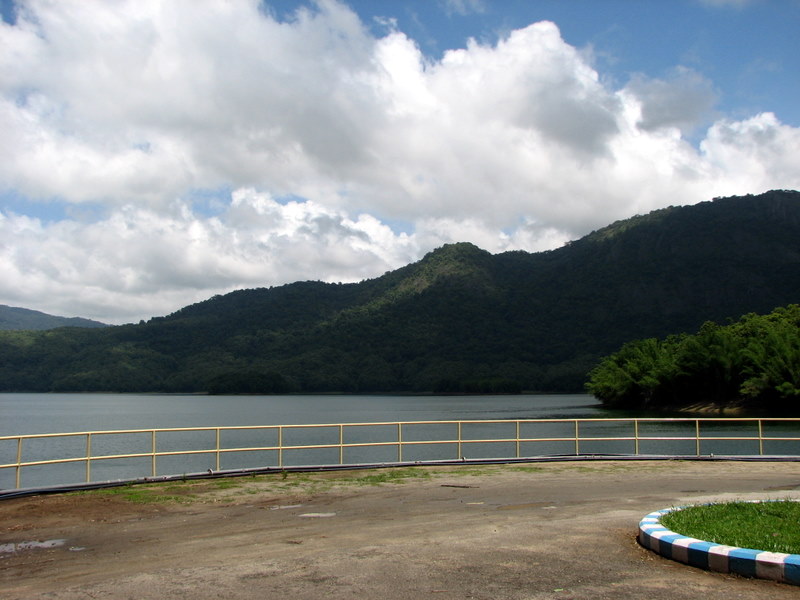
3,4,5,6: Pics taken at Parambikulam Dam
7,8 :Refreshment Zone: Tea Stalls carry exotic names like Maruthu, Chandanam, Thekku, Veetti, Veppu etc ( all local names of trees)
9,10 : Parambikulam Area
11. Another group of deer grazing
12. Checkpost at Sanctuary exit
13. Bamboo Grove at Top Slip
14. Archway enroute from Top Slip to Pollachi on return trip.




 Next we visited the Vastu Vidya Gurukulam where we had a morning appointment with the consultant design engineer. Vasthu sasthra is the branch of Veda which deals with traditional Indian way of environmental friendly construction adopting universal principles of creation. This is a combination of science engineering and spirituality. Vastu vidya came from, Sanskrit word Vas & Vidya. Vas means dwell and Vidya is knowledge is stated to spring from Sthapadya Veda the sub Veda of Atharvaveda. Traditional Kerala temple is an excellent example of Vasthu designing. This institution, under Department of Culture, offers consultancy services for Vastu Vidya and Mural painting (Traditional Kerala Temple painting). Enclosing herewith pics of the main office building of the Gurukulam.
 Aranmula is situated on the banks of the river Pamba. We went to the local PWD Guest House, a quaint old building with nice rooms recently renovated. There is a full grown jackfruit tree with plenty of green prickly fruits hanging down. From there we had breathtaking view of the river(see pics below). Incidentally these are nice rooms where one can stay at a very nominal tariff @Rs.500/day :

 Vallam Kali means boat race in Malayalam which is the language of the State of Kerala. It is mainly conducted during the season of the harvest festival Onam in Autumn. Vallam Kali include races of many kinds of traditional boats (paddled longboat) of Kerala. The race of Chundan Vallam (snake boat) is the major event. Hence Vallam Kali is also known in English as Snake Boat Race and now in recent years has become a major tourist attraction. Typical snake boats are 100 to 120 feet long, and hold around 100 rowers. Each of the villages in the region has its own snake boat, which they take great pride in. The battling snake boats of Kerala have over 400 years of history associated with them.(Sorry no pics!)


